
5 Fastest Payout Casinos in 2025 – Get Your Winnings Instantly
In 2023, slot machines generated more than $35 billion in revenue in the US alone. That number might shock you, but it doesn’t tell the whole story. You might wonder why certain games fill the floor while others sit empty. The answer is a messy mix of math, psychology, and raw innovation that goes far beyond simple entertainment. Over 70% of casino revenue flows directly from the spinning reels, yet table games attract fiercely loyal followings that defy those numbers. The real drivers of the popularity of casino games have nothing to do with flashy lights or jackpot bells. They are rooted in cold house edge calculations, deep player psychology, and relentless technological trends that reshape what we play. To understand what actually makes a game dominate the floor, you have to look past the fun and dig into the mechanics that keep players coming back. These casino game statistics reveal a landscape where perception often beats reality, and where the most popular choices aren’t always the ones you expect.
The Crown King: Slot Machines
No other game comes close. Slot machines dominate casino floors, both physical and digital, thanks to a brutally simple formula: zero skill required, a few cents to spin, and the flickering promise of a life‑changing jackpot. Newer video slots have pushed this even further with cascading reels, free spins, and interactive bonus rounds that keep players glued to the seat. The numbers tell the story: global slot revenue surpasses half a trillion dollars annually. But beneath the flash, two mechanics decide whether you walk away grinning or grinding your teeth: RTP and volatility.
Return to Player (RTP) is the percentage of all wagered money a slot pays back over millions of spins. A machine with 96% RTP, in theory, returns $96 for every $100 bet—but that’s a marathon, not a sprint. Volatility measures the risk. Low volatility slots sprinkle small wins like confetti; high volatility slots go silent for hundreds of spins, then drop a bomb. I once watched a player turn a $5 bet into $2,000 on a high‑volatility slot. That story keeps people coming back. Yet the math never changes: slots are pure luck. No pattern, no timing, no button‑pressing rhythm improves the odds. The reels don’t care about your strategy.
Theme matters too. Egyptian pharaohs, fantasy quests, and Hollywood blockbusters dominate the market. Titles like Buffalo Gold and Mega Moolah have become household names, the latter famous for seeding million‑dollar jackpots on a 25‑cent spin. Video slots now account for the vast majority of play, their cinematic animations and soundtracks designed to trigger a dopamine rush with every near‑miss. The near‑miss effect—where two jackpot symbols land and the third stops one position away—fools the brain into thinking “almost won,” fueling another spin. That’s not skill; it’s psychology engineered into the code.
Why Slots Are the Undisputed Leader
The illusion of control keeps people hooked. Slots let you choose bet size, pick paylines, and sometimes activate bonus features—giving a false sense that you influence outcomes. Meanwhile, flashing lights, celebratory sounds (even on losing spins), and rapid spin cycles create a trance‑like loop. The near‑miss effect, where losing symbols visually line up as if you almost hit the jackpot, triggers the same brain regions as a win. This cocktail of psychology and audiovisual design makes slots the highest‑grossing casino game globally, pulling in over $500 billion annually from physical and online venues alike.
RTP and Volatility: What You Must Know
Think of RTP and volatility as two dials. A slot with 96% RTP and low volatility pays small wins frequently—you’ll grind slowly, rarely hitting big but also rarely going broke fast. A 94% RTP high‑volatility slot can dry up for hundreds of spins, then suddenly drop a payout worth 500x your bet. Which is better? Depends on your bankroll and patience. Always check the game information screen before spinning—most modern slots display RTP and volatility level (often labeled low, medium, high). Ignore that, and you’re playing blind.
The Strategy Player’s Choice: Blackjack
While slots hand you a pre‑determined story, blackjack gives you the pen. This simple truth explains why blackjack popularity endures decade after decade. The game isn’t just about luck—it’s about making decisions that directly shift the odds in your favor. At its core, the objective is straightforward: beat the dealer’s hand without going over 21 (busting). But the magic lies in the math. With a rock‑solid basic blackjack strategy, you can push the blackjack house edge down to an astonishing 0.5%—sometimes even lower. That’s leagues better than almost any other casino game.
Knowing when to hit, stand, double down, or split is what separates a casual player from someone who genuinely influences outcomes. I always look for tables with 3:2 blackjack payouts – avoid 6:5 tables like the plague, because that small change alone nearly doubles the house edge. The best blackjack games are the ones that respect the player’s skill, not the ones that quietly siphon your bankroll.
Here’s a quick cheat sheet—your basic strategy decisions in a nutshell:
| Your Hand | Action |
|---|---|
| Hard 17+ | Stand (always) |
| Soft 13–16 | Hit (unless dealer shows 4–6) |
| Ace + 8 or 9 | Stand (always) |
| Pair of 8s | Split (always) |
| Pair of 5s | Double down on dealer 2–9 |
And don’t stop there—the rise of blackjack variants like Spanish 21 (removes all 10s but adds bonus payouts) and Double Exposure (both dealer cards are visible) keeps the game fresh. Whether you’re playing online or at a felt table, remember: blackjack is the thinking player’s game, and that’s why it remains the strategy player’s choice.
Why Blackjack Attracts Smart Players
Blackjack’s skill element is its biggest draw. Players who learn basic strategy can cut the house edge to near zero—no other game offers that level of control. Card counting blackjack is legal (though casinos reserve the right to refuse service), but you don’t need it. Advantage play at the blackjack table starts with simple discipline: stick to the chart, manage your bets, and ignore the hot streaks. For most casual players, basic strategy alone is enough to have fun and keep the odds on your side. Smart players know the edge isn’t in the cards—it’s in the decisions.
The Most Popular Blackjack Variants
Not all blackjack is the same. European blackjack uses one deck and the dealer stands on soft 17, which slightly improves your odds. Atlantic City blackjack allows late surrender—you can fold and lose half your bet after the dealer checks for blackjack. And then there’s Blackjack Switch rules, where you get two hands and can swap the top cards between them. This variant lowers the house edge but disables the natural blackjack payout. Each twist changes the math, so pick the variant that matches your style—and always read the rules before you sit down.

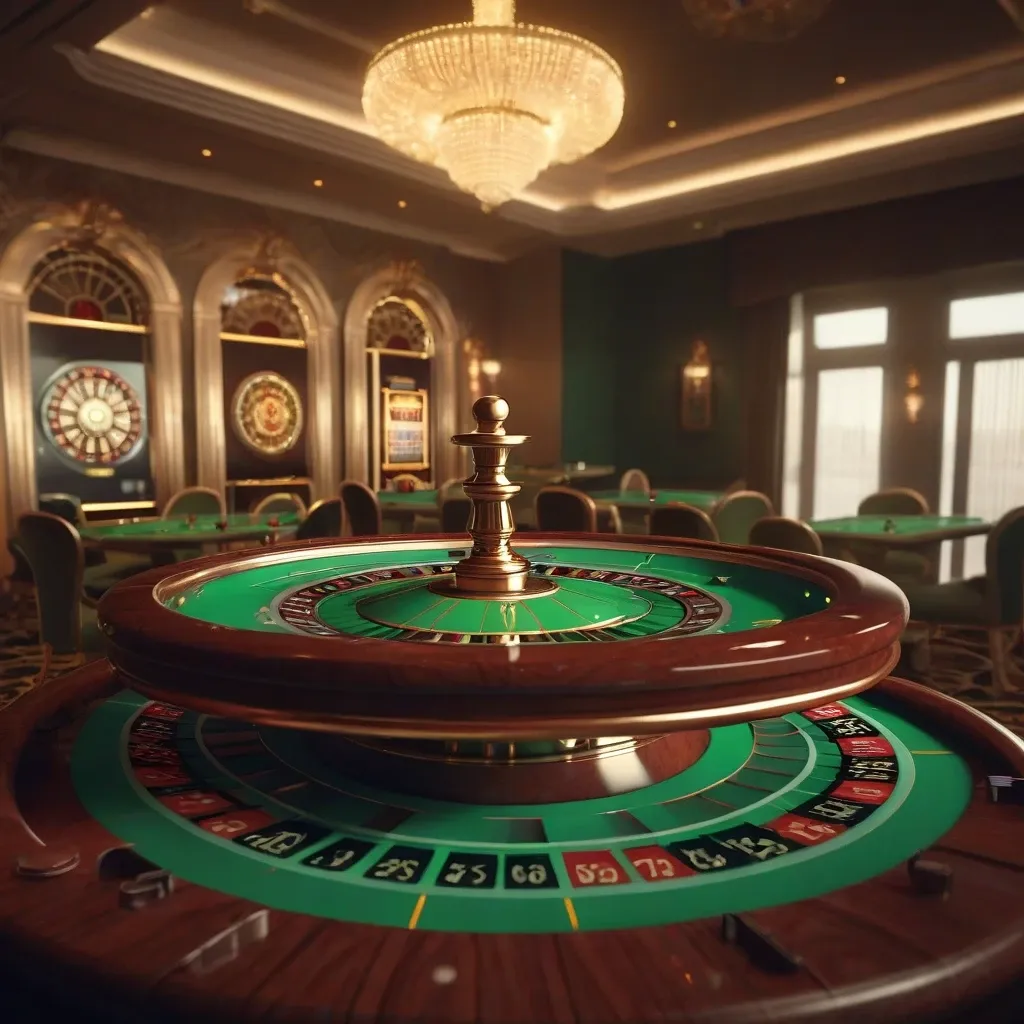
The Pure Chance Classic: Roulette
The clatter of the ball, the collective gasp of the crowd, the dealer’s rhythmic chant — roulette is pure theatre. You don’t need a strategy manual to play; you just pick a number, a color, or a section of the layout and watch the wheel do its thing. That’s the hook. Inside bets (straight-up, split, street) offer big payouts but tiny odds; outside bets (red/black, odd/even, columns) cover more ground but pay even money. Simple enough, yet it’s the social energy of the whole table inhaling together as the ball dances that keeps people coming back. Roulette is the most popular game in European and Australian land‑based casinos, hands down. But here’s the catch — the house edge difference is brutal. European roulette (single zero) hits you at 2.7%. American roulette (double zero) jacks that up to 5.26%. That’s nearly double the built-in loss. And yes, you’ll see people swearing by the Martingale system — double your bet after every loss until you win. Sounds flawless until you hit a streak of six reds while you’re betting black. That’s a 1‑2‑4‑8‑16‑32 progression pushing your bankroll into a $63 loss on a $1 base bet, and the table limit stops you before you can recoup. The wheel doesn’t care about your plan; it just spins.
European Roulette: The Smarter Choice
European roulette isn’t just prettier with its single zero; it’s mathematically kinder. Over 100 spins on a $10 bet, your expected loss with European roulette is $2.70. With American roulette, you’re looking at $5.26 — nearly double the bleed. If you find a French roulette table with la partage (half your even‑money bet back on zero), the house edge drops even further to 1.35%. Why hand the casino more than you have to? Stick to single zero every time.
Why Betting Systems Don’t Beat the Wheel
Every spin is an independent trial. The wheel has no memory, no grudges, no sense of fairness. Betting systems like Martingale or Fibonacci just rearrange losses; they don’t change the odds. I’ve seen players lose $5,000 chasing a red with a Martingale that broke their bankroll after nine consecutive blacks. The math doesn’t bend because you double down. The house edge remains, steady as a heartbeat.
The High-Stakes Favorite: Baccarat
You don’t need any skill – just bet on Player, Banker, or Tie. That’s the brutal, beautiful truth of baccarat. It’s surprisingly simple, yet it carries the lowest house edge among table games. The banker bet clocks in at a measly 1.06% house advantage. Yes, the casino still takes a 5% commission on every winning banker wager, but that tiny vig is nothing compared to the carnage on roulette or slots. Baccarat’s popularity isn’t just about math though. It’s the game of choice for Asian high rollers and James Bond fans alike. In fact, baccarat accounts for a staggering 18% of Macau’s casino revenue – think about that. Insiders note that many elite players never vary from betting banker every hand. They don’t chase patterns or read mystical streaks. They just ride the statistical wave. For anyone looking to play a card game without memorizing strategy, this is it. The drama comes from the dealing ritual – the shoe, the squeeze, the slow reveal. But underneath the theater, it’s a coin flip with a slight tilt. Here’s a quick look at the odds:
| Bet | House Edge | Payoff |
|---|---|---|
| Banker | 1.06% | 1:1 (minus 5% commission) |
| Player | 1.24% | 1:1 |
| Tie | 14.36% | 8:1 or 9:1 |
So stick to banker, accept the commission, and ignore the tie. That’s really it.
The Simplicity That Drives Its Popularity
The dealing ritual in baccarat is pure theater – cards slide from the shoe, the squeeze, the collective gasp. But underneath the drama lies a game that’s almost too easy. No decisions, no counting, no bluffing. Baccarat is the perfect game for someone who wants to play a card game without learning strategy. You pick a side, watch the cards fall, and collect or walk away. That dead-simple mechanic is why baccarat for beginners is never intimidating. It’s all luck, all spectacle, no brain drain.
Baccarat vs. Mini-Baccarat
Mini‑baccarat uses the exact same rules – same odds, same payouts – but the dealer handles all the cards. No player interaction, no slow squeezes. It’s faster, cheaper, and popular in US casinos because it keeps the game moving and lowers baccarat table limits. If you want the essence of the big‑money game without the high‑roller pressure, mini‑baccarat is your entry point. Same bet, smaller circle, less ceremony.
The Social Game Revolution: Poker
Poker flips the script on almost every other casino game. You are not chasing a random number generator; you are reading, bluffing, and outsmarting real people across the table. The casino does not play against you – it takes a small cut called the rake from each pot. This simple difference makes poker a game of skill where the best players can actually make a living, while the best slot player still loses over time. The dominant variant today is Texas Hold’em, a sensation fueled by televised tournaments like the World Series of Poker and the explosion of online platforms. These days poker rooms have become the social hub of any casino – tables buzzing with chatter, tension, and the occasional burst of laughter or groans. The rise of online cash games means you can test your skills against thousands of opponents at any hour, from micro‑stakes to nosebleed tables. Whether you are grinding out a small win or chasing a bracelet, poker offers a level of agency that slots and blackjack just cannot match.
Texas Hold’em: The Undisputed Champion
Texas Hold’em owes its crown to simple rules and deep strategy. Each hand starts with two hole cards, then a round of betting (pre‑flop). Three community cards – the flop – hit the board, followed by another betting round. The turn adds a fourth card, then the river brings the fifth and final community card. The best five‑card hand wins. A golden rule: never limp into a pot. Either raise to apply pressure or fold. That single tip separates beginners from grinders. A classic memory from a low‑stakes game: a bad beat where a runner‑runner straight cracked a set of aces, turning the whole table tense. That unpredictability is poker’s magic – you can do everything right and still lose, but the long term rewards discipline.
Online Poker: A Massive Ecosystem
Millions of players log into sites like PokerStars and GGPoker every day, making online poker a sprawling digital arena. Beginners should ignore the hype and start with play money or micro‑stakes tables where a bad mistake costs pennies. The ecosystem also includes training tools, hand‑history analyzers, and forums – but the real lesson is bankroll management. Play within your limits and treat every hand as a learning opportunity.
The Newcomer Surge: Live Dealer Games
Live dealer games have exploded onto the scene, blending the convenience of online play with the unmistakable buzz of a physical casino floor. Real tables, HD cameras, and chat interaction with dealers—the technology bridges a gap that pure RNG games never could. Players trust them more; when you see a real card flipped or a roulette wheel spinning in crisp 4K, there’s no doubt about fairness. In 2024, several major operators reported live dealer revenue up 40% year‑over‑year, and that pace isn’t slowing. Behind the scenes, dealers are trained not just to run the game but to engage, joke, and entertain—creating a social experience no algorithm can replicate. It’s why live blackjack and live roulette have become the fastest‑growing segments of the entire online casino space. The shift is real, and it’s reshaping what players expect from “live casino online.”
Why Live Dealer Games Are Taking Over
Trust is the big winner. When you watch a real dealer shuffle and deal, you know the outcome isn’t predetermined—no RNG code, no hidden house edge trickery. Players can even tip the dealer, adding a human touch that makes the session feel like a night out. That authenticity, paired with the social banter of a live chat, turns solitary gambling into a shared experience. Live dealer benefits go beyond fairness; they redefine what “casino” means from your couch.
Popular Live Dealer Variants
The variety keeps growing. Lightning Roulette injects random multipliers on winning numbers, turning a classic spin into a potential 500x payout. Infinite Blackjack removes seat limits—anyone can jump in. And Crazy Time? A wheel‑bonus game show with four interactive rounds, prizes, and a host who brings pure chaos. These live game shows, alongside standard live blackjack and live roulette evolution, prove the format’s staying power.
Which Game Is Right for You?
Picking a casino game shouldn’t feel like a chore. It is actually about matching the activity to your mood, budget, and patience level. You wouldn’t wear hiking boots to a beach party, right? Same logic applies here. This simple decision guide cuts through the noise to help you choose a casino game that fits you.
- Want pure entertainment, zero stress, and instant results? Walk straight to the slots. No skill needed. Your brain gets a colorful dopamine hit for a few bucks. Best casino game for beginners who just want to zone out.
- Love numbers, logic, and having a fighting chance? Blackjack is your jam. You control the outcome with basic strategy. It rewards smart decisions.
- Craving a bit of glamour and pure chance? Roulette or baccarat. Place a bet, watch the spin or the draw. Minimal decisions, maximum tension. It feels elegant.
- Thrive on competition and reading people? Poker. You are not playing the cards; you are playing the person across the table. High skill ceiling, high reward potential.
Questions to Ask Yourself
- Do you want to win money or just kill an hour?
- How much brainpower are you willing to invest tonight?
- Is your bankroll small and sacred, or are you ready to reload?
- Do you want to chat with strangers or ignore everyone?
So, here’s the thing – popularity in casino games isn’t just a hunch. It’s a messy mix of odds, human psychology, and how tech twists the table. Slots? Pure adrenaline and instant gratification. Blackjack? Cold math meets your nerve. Roulette? A hypnotic spin on random fate. Poker? It’s the mind game where bluff beats luck. Each game owns a different corner of your brain. Now that you know what makes each game tick, pick one and try it – but always with a budget and a clear head. Remember, the house always has an edge, but knowledge is your best weapon.